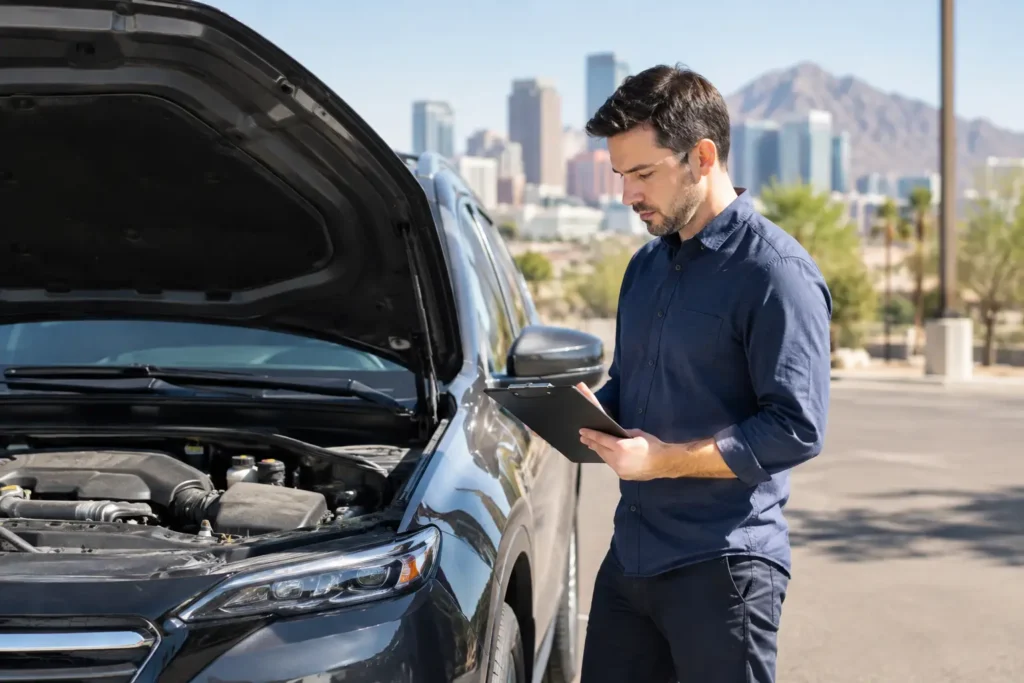

A missed document, an outdated vehicle inspection, or the wrong rental can keep a Phoenix driver off the road when work is available. This gig driver eligibility guide helps you prepare for the requirements that commonly affect rideshare, delivery, and non-emergency transportation drivers before you accept a vehicle or schedule your first shift.
Eligibility is not one single approval. Your ability to earn usually depends on three separate checks: you as the driver, the vehicle you plan to use, and the platform’s current local rules. Uber, Lyft, Veyo, DoorDash, Instacart, Amazon Flex, and similar apps each set their own standards. Requirements can also change by service type, market, or even account status, so confirm the current rules directly in your driver app before making commitments.
Start With Your Driver Requirements
Most gig platforms need to verify that you can legally and safely drive. A valid driver’s license is the starting point, but it is rarely the only item reviewed. Platforms may also request a background check, driving-record review, proof of age, profile photo, and tax information before activating your account.
Keep your license current and make sure the name on every document matches the name on your driver account. Small differences, such as a middle name missing from an insurance document or an old address on a registration, can create review delays. If you recently moved to Arizona or changed your name, update those records early instead of waiting until an app requests a resubmission.
Background and motor-vehicle reviews are handled differently by each company. A prior issue does not always mean automatic rejection, but it can affect which services you can access or whether additional review is required. Be accurate when submitting information. Trying to work around a screening issue can lead to deactivation after you have already invested time and money.
For tax setup, many platforms ask for a Social Security number or other approved taxpayer information. Delivery drivers may need to complete identity verification through the app. Have access to the phone number and email tied to your account, since login problems can slow down the activation process just as much as missing paperwork.
Gig Driver Eligibility Guide: Your Vehicle Matters Too
A driver can be approved while a vehicle is not. This is one of the most common sources of confusion for people who are ready to begin earning. Rideshare platforms often have rules for model year, four-door configuration, passenger seating, title status, condition, and inspections. Delivery platforms can be more flexible, but vehicle and insurance expectations still vary.
Before renting or using a personal car, verify that it is approved for the specific service you want to perform. A vehicle that works for food delivery may not qualify for passenger rides. A car eligible for standard rideshare may not qualify for premium tiers, medical transportation, or airport-related work. Do not assume that a newer-looking vehicle meets every local requirement.
Registration should be current, readable, and connected to the vehicle you submit in the app. If the platform requires an inspection, allow time for any repairs that may be needed. Tires, lights, brakes, windshield condition, seat belts, and warning lights can all affect whether a vehicle passes. Arizona heat puts extra strain on batteries, cooling systems, and air conditioning, so basic maintenance is not just a comfort issue when you are driving long shifts.
Rental vehicles require another layer of confirmation. Ask whether the rental is permitted for your intended gig work and whether the paperwork supports platform onboarding. The rental agreement, insurance arrangement, and vehicle documentation need to make sense together. A low weekly rate is not a good value if the car cannot be used for the platform that produces your income.
Understand Insurance Before You Go Online
Insurance is a practical part of eligibility, not an afterthought. Gig companies may provide limited coverage during certain periods of app use, but that coverage often changes depending on whether you are waiting for a request, driving to a pickup, or transporting a passenger or delivery. Personal auto policies can also have restrictions related to commercial or delivery activity.
If you are renting, ask what insurance options are available and what your responsibility would be after an accident, damage claim, theft, or roadside issue. Read the terms before driving, especially deductibles, exclusions, authorized-driver rules, and any rules tied to rideshare or delivery use.
You should also know what to do if an incident happens during a shift. Save the rental company’s contact information, understand the reporting process, and keep photos of the vehicle’s condition from the day you receive it. Quick documentation can protect you from confusion later.
Choose a Vehicle Based on the Work You Actually Plan to Do
Your best vehicle is not always the cheapest available vehicle. It depends on how you expect to earn. A driver focusing on short delivery routes may prioritize fuel economy and easy parking. Someone planning airport trips, longer rideshare shifts, or passenger transportation may need more passenger room, reliable climate control, and a more comfortable ride.
Phoenix-area driving adds real operating considerations. High summer temperatures, long distances between Valley cities, and heavy airport traffic can increase fuel use and vehicle wear. Consider your likely service area, how many miles you plan to drive each week, and whether unlimited-mileage availability would reduce uncertainty in your budget.
Compare the total weekly cost, not just the advertised rate. Include fuel, insurance choices, deposits, tolls or parking, platform fees, cleaning, and the time you may lose if a car needs service. A dependable, rideshare-ready rental can be a practical choice when it helps you start earning quickly and avoid the long-term cost of buying a vehicle you are not ready to own.
Prepare a Simple Onboarding Folder
The fastest way to avoid repeated uploads is to keep your required information together before starting applications. Store clear photos or PDFs of your driver’s license, vehicle registration, insurance information, inspection paperwork if required, and any rental documents the platform requests. Make sure document corners are visible, text is readable, and expiration dates are not cut off.
Use a folder on your phone as well as a backup location you can access from another device. Apps occasionally request documents again, especially after renewals or account reviews. Updating a record before it expires is far easier than being forced offline during a busy weekend.
Check your email and app notifications daily while your account is pending. Some approvals require a quick response, a clearer image, or a new form. Waiting several days to answer can turn a short review into a longer delay.
Build a Plan Before Your First Week
Once you are eligible, set a realistic first-week target rather than assuming every hour online will be profitable. Test the routes, app demand, parking conditions, fuel use, and your own comfort level. Track your miles and expenses from day one. This gives you a clearer picture of your net earnings and helps you decide which platform or schedule is worth your time.
If you need a vehicle for rideshare, delivery, Veyo-related work, or personal transportation while you get established, Elite Movement Transportation Services can help Phoenix-area drivers explore flexible weekly rental options and availability. Ask direct questions about your intended use, insurance choices, mileage, payment expectations, and the documents you will need to get on the road.
Eligibility is easier to manage when you treat it as an ongoing checklist rather than a one-time hurdle. Keep your documents current, drive a vehicle that fits the work you accept, and leave room in your budget for maintenance and unexpected downtime. That preparation gives you a better chance to say yes when the next earning opportunity appears.