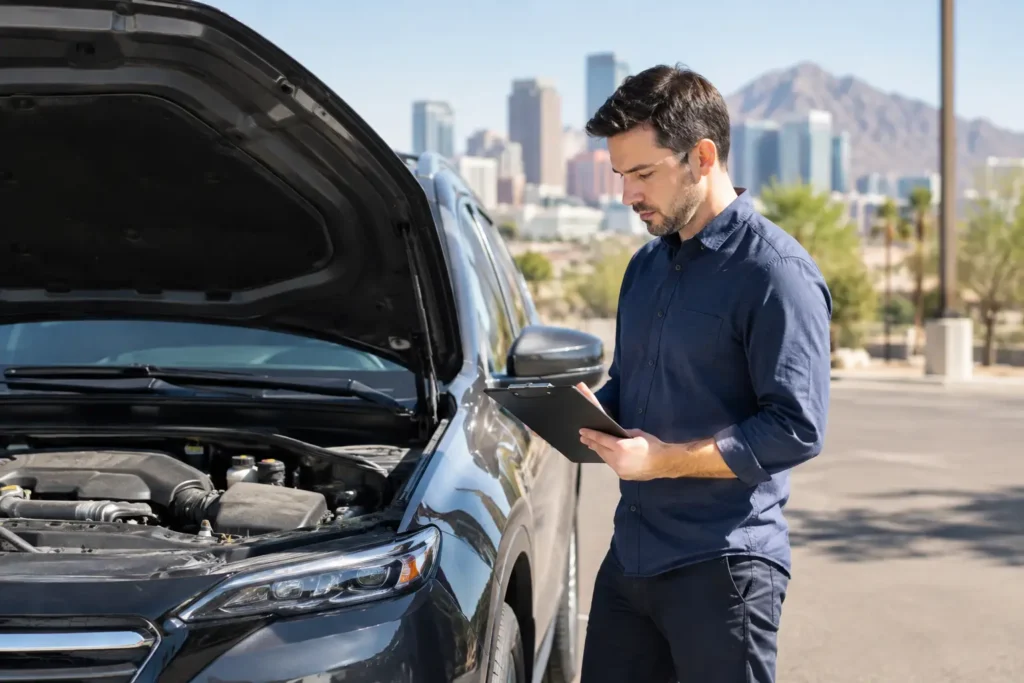

A vehicle problem can stop a delivery shift before it starts. Whether your personal car is in the shop, your current vehicle is not reliable enough for daily routes, or you simply do not want the cost of ownership, the right rental can keep you working across Phoenix, Tempe, Mesa, Scottsdale, Glendale, and the rest of the Valley. The top rental options for delivery drivers are not always the cheapest advertised rate. They are the options that give you a dependable vehicle, clear terms, and enough flexibility to protect your earning schedule.
For DoorDash, Uber Eats, Instacart, Amazon Flex, and other app-based work, your vehicle is part of your business. Choosing a rental means looking beyond the keys and asking practical questions about mileage, insurance, maintenance, reservation length, and whether the vehicle fits the work you plan to do.
Top Rental Options for Delivery Drivers
Weekly rentals for steady gig work
A weekly rental is often the best fit for drivers who expect to work multiple days each week. Instead of paying a daily rate that adds up quickly, you have a vehicle reserved for a full work week and can build a more predictable schedule around it.
Weekly terms can work especially well for drivers who combine platforms. You might deliver food during lunch and dinner, shop Instacart orders in between, then take Amazon Flex blocks when they are available. That type of work can put significant miles on a car, so ask whether unlimited mileage is available and what terms apply to your reservation.
This option also gives you more time to learn the vehicle and organize your routine. You can set up your phone mount, insulated bags, charging cables, and delivery supplies without starting over every morning. If you are using a rental to bridge a short-term vehicle repair or build income while looking for a car of your own, a weekly arrangement provides breathing room without a long lease commitment.
Longer-term rentals for consistent driving
If delivery work is your primary source of income, a longer-term rental may offer more stability than renewing week by week. This can make sense for drivers who already know their average earnings, work a regular schedule, and want to avoid the pressure of finding another vehicle every few days.
Longer-term does not automatically mean it is the right choice. Review the payment schedule, required deposit, mileage policy, insurance options, maintenance process, and return conditions before reserving. The goal is to lower uncertainty, not create a commitment that becomes difficult to manage during a slower month.
For a driver working five or six days a week, the value of a longer rental is usually consistency. You know what you are driving, where to get help if an issue comes up, and how the rental cost fits into your weekly earnings plan.
Flexible short-term rentals when you need to get moving
Sometimes you only need a vehicle for a few days. Your car may be waiting on parts, you may have a high-demand weekend ahead, or you may be testing delivery work before committing to a longer rental period. A short-term option can fill that gap.
Short rentals are convenient, but they can cost more per day than weekly arrangements. They are best used for immediate needs rather than as a permanent answer for full-time delivery driving. If you find yourself extending day after day, compare the total cost with a weekly option before the next reservation period begins.
Personal-use rentals that support part-time delivery
Not every delivery driver works full time. Some drivers take orders after work, on weekends, or when they need extra income. In that case, a personal-use rental may be enough, provided your rental terms allow the intended use and you meet the platform’s vehicle requirements.
Do not assume that every rental vehicle can be used for every app. Delivery and rideshare platforms may have different rules for vehicle age, documentation, inspections, insurance, and registration. Confirm the requirements for the specific platform you plan to use before you accept a vehicle and before you schedule your first shift.
What Makes a Rental Worth the Cost?
The lowest weekly price is only one number. A better way to evaluate rental options is to calculate your full operating picture. Add the rental payment, fuel, insurance or protection costs, expected mileage, parking, tolls if applicable, and the income you realistically expect to earn after expenses.
Fuel economy matters in the Phoenix area, where long distances and summer heat can increase operating costs. A comfortable, well-maintained car with dependable air conditioning is not a luxury when you are working several hours in triple-digit temperatures. It helps you stay focused, protect food orders, and avoid cutting a shift short because the vehicle is uncomfortable or unreliable.
Cargo space also matters. Food delivery may only require room for insulated bags, but grocery orders can include bulk items, cases of water, and multiple bags. If you take large-shop orders, choose a vehicle with a trunk or rear cargo area that can handle the work without crowding the passenger compartment.
Questions to Ask Before Reserving
Before you reserve, get clear answers about the details that affect your daily earnings. A reliable rental provider should be able to explain what is included, what is optional, and what happens if you need support during your rental term.
Ask about these points before confirming your vehicle:
- Whether the rental is approved for delivery, rideshare, or other commercial gig use
- Available weekly and longer-term rates, plus deposits and payment timing
- Mileage limits or unlimited-mileage availability
- Insurance options and what coverage is required
- Maintenance support and the process if the vehicle needs service
- Vehicle availability, pickup timing, and extension options
These questions are not about making the booking complicated. They help prevent surprises after you have already planned your delivery schedule around the vehicle.
Match the Vehicle to Your Delivery Strategy
A compact sedan can be a practical choice for food delivery because it is easier on fuel and simple to park in busy restaurant areas. It may be all you need if most of your work involves small orders and short trips.
A midsize sedan or small SUV can be more useful for grocery delivery, larger orders, and mixed-platform work. The added space can make a long shift more manageable, especially when you need room for multiple insulated bags, shopping orders, and personal equipment.
The best vehicle depends on how you earn. A driver focused on short food-delivery trips has different needs than someone taking larger Instacart orders or longer Amazon Flex routes. Do not pay for more vehicle than your work requires, but do not choose a car that limits the orders you can safely complete.
Plan for Reliability, Not Just Today’s Shift
Rental vehicles can help delivery drivers avoid the surprise repair bills and long downtime that come with an aging personal car. Still, any vehicle needs regular attention. Check the fuel level, tires, lights, air conditioning, phone charging access, and any existing vehicle condition notes when you pick it up.
Keep the vehicle clean throughout your rental. A clean interior supports a better delivery experience, and it makes it easier to keep your supplies organized. Follow the rental agreement, report concerns early, and do not wait until a small issue affects your ability to work.
For Phoenix-area drivers who need a road-ready vehicle quickly, Elite Movement Transportation Services offers flexible rental arrangements built around personal and income-generating driving needs. Availability can vary, so it is smart to check early when you know you will need a vehicle for a busy week or upcoming delivery block.
A rental should make it easier to say yes to work, not add new obstacles to every shift. Choose terms you understand, a vehicle that matches your delivery volume, and a provider that can answer your questions before you get on the road. That preparation gives you a better chance to keep earning when your schedule matters most.