Phoenix gig work can put serious miles on a vehicle quickly. A morning airport run, an afternoon Veyo trip, and an evening of food delivery can easily turn into a full day on Valley freeways. The best vehicles for gig work are not simply the cheapest cars available. They need to be reliable, comfortable, efficient, and appropriate for the type of trips that actually produce income.
For many drivers, renting is a practical way to get on the road without a large down payment, a long loan term, or the surprise repair costs that can come with an older personal vehicle. The right choice depends on whether you are driving passengers, delivering orders, completing Amazon Flex blocks, or combining several apps throughout the week.
What Makes a Vehicle Good for Gig Work?
A gig-ready vehicle should help you earn more than it costs to operate. Fuel economy matters, especially when you are covering long distances between Phoenix, Scottsdale, Tempe, Mesa, and Glendale. But efficiency is only one part of the equation.
Passenger comfort can affect your rideshare ratings and tips. A clean sedan with working air conditioning, supportive seats, and enough rear legroom is a better fit for airport and longer-distance riders than a cramped compact. For delivery work, cargo space, easy entry, and dependable climate control may matter more than rear-seat room.
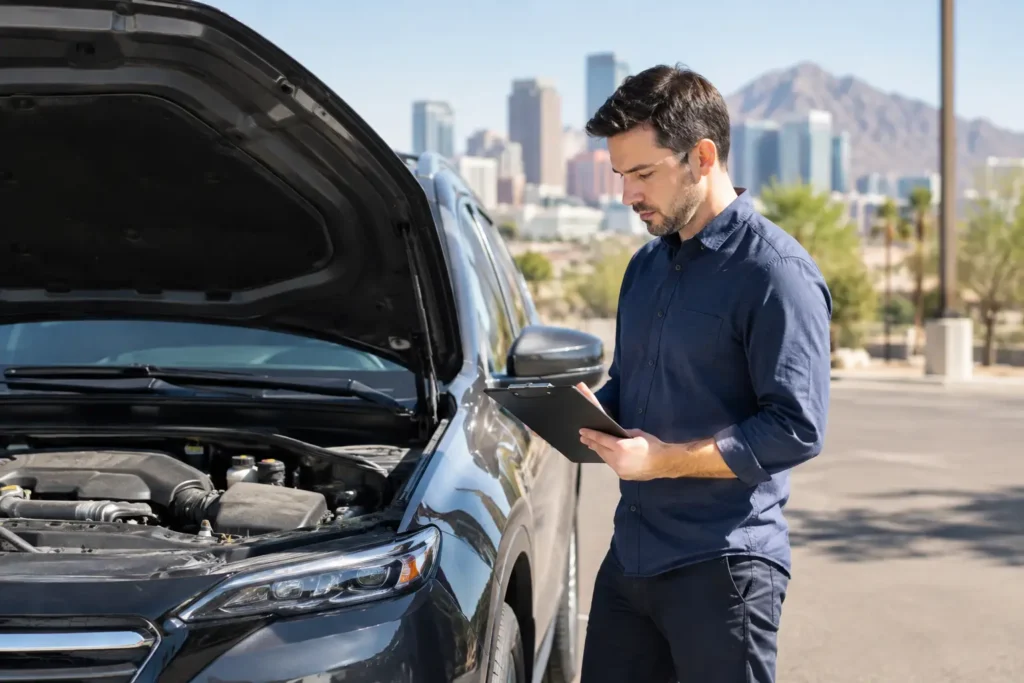
Reliability is the nonnegotiable factor. A vehicle that is out of service is not making money. Look for a maintained vehicle, understand what insurance options are available, and ask about mileage terms before committing to a rental. A low weekly rate can become less affordable if it does not match how much you expect to drive.
Platform requirements also matter. Uber, Lyft, Veyo, and delivery platforms each have their own eligibility rules, which can change by market and service level. Before reserving any vehicle, confirm that its year, condition, insurance documentation, and registration meet the requirements for the work you plan to do.
Best Vehicles for Gig Work by Job Type
Hybrid midsize sedans for rideshare and mixed app driving
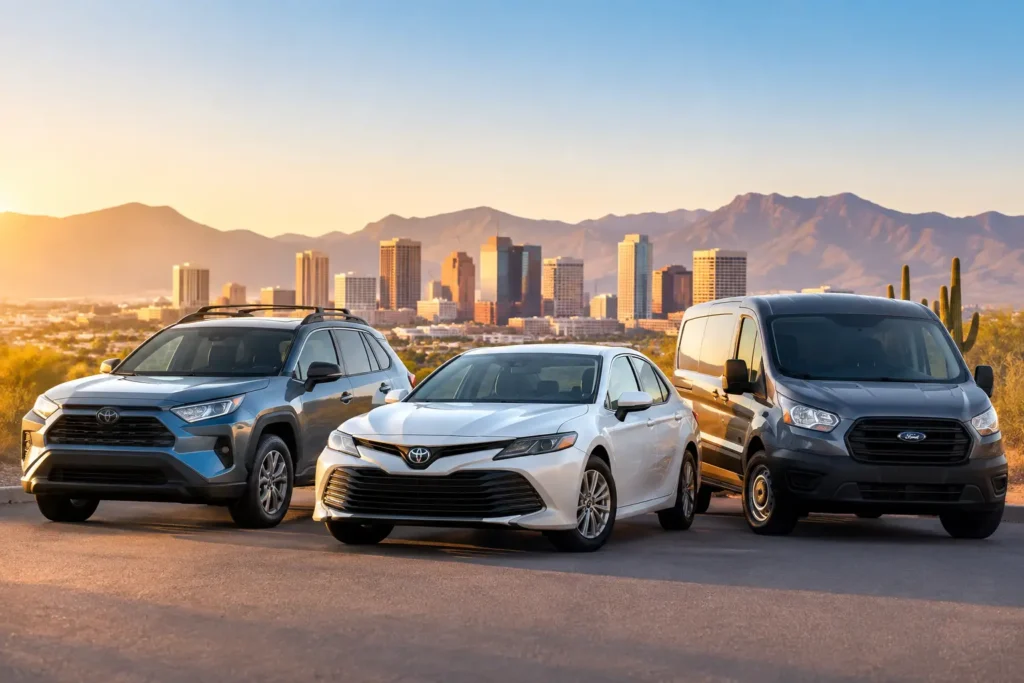
For many full-time rideshare drivers, a hybrid midsize sedan is one of the strongest all-around choices. It gives you the fuel savings needed for frequent city driving while providing a more comfortable passenger experience than a small economy car. Models in this class usually have enough trunk room for airport luggage and enough rear-seat space for regular rideshare trips.
A hybrid makes particular sense when your day includes stop-and-go traffic around downtown Phoenix, Sky Harbor, Tempe, or Scottsdale. Regenerative braking and strong city fuel economy can help reduce fuel spending during the kind of short, frequent trips that fill a busy rideshare shift.
The trade-off is availability and rental price. Hybrids may cost more per week than a conventional sedan. Still, drivers who put high mileage on a vehicle may find that fuel savings offset part of the difference. It depends on your weekly mileage, local gas prices, and how consistently you drive.
Fuel-efficient sedans for starting out
A standard compact or midsize sedan is often the most affordable option for drivers who need to get approved and start earning quickly. These vehicles are easy to park, generally efficient, and well suited to basic rideshare, food delivery, grocery delivery, and personal use.
For a driver testing gig work for the first time, a sedan can be the sensible move. You do not need to pay for more capacity than your work requires. It is also a practical option for someone who drives part time after a regular job or on weekends.
The limitation is space. Small sedans can feel tight when passengers have multiple bags or when a delivery order includes large grocery loads. If airport trips, family groups, or bulk orders are a major part of your earning plan, consider moving up a size.
Compact SUVs for delivery and versatile driving
A compact SUV is a strong choice for drivers who work several types of apps. It offers more cargo flexibility than a sedan without the fuel cost of a full-size SUV. The higher seating position can also make long shifts more comfortable for some drivers, while the hatch area is useful for insulated delivery bags, grocery orders, and personal items.
SUVs work well for Instacart, DoorDash, Uber Eats, and similar delivery work because loading is straightforward. They can also serve rideshare drivers who want extra room for passengers and luggage. In the Phoenix area, an SUV can be especially useful when your work takes you across the Valley and you want one vehicle that can handle business and everyday errands.
More space comes with trade-offs. SUVs often use more fuel than sedans, and a larger vehicle does not automatically mean higher pay. Choose one because its capacity fits your work, not because it looks more impressive.
Minivans for larger rides and high-volume deliveries
For drivers who qualify for larger passenger categories or regularly handle bulky deliveries, a minivan can be a high-capacity earning tool. It provides easy access, flexible seating, and room for luggage, mobility equipment, or multiple delivery orders.
This option is best for a specific kind of driver, not everyone. A minivan may be a good fit if you focus on airport transportation, group rides, family travel, or non-emergency transportation where passenger access and interior space matter. It can also help with large grocery orders and multi-stop delivery routes.
Before choosing a minivan for a premium rideshare category, verify current platform eligibility. Capacity alone does not guarantee that a vehicle qualifies for a particular service level.
Electric vehicles for planned, high-mileage routes
An electric vehicle can reduce fuel spending, but it is not automatically the best rental choice for every Phoenix gig driver. It works best when you have dependable access to charging at home, at your rental location, or along your normal driving routes. Drivers with predictable schedules and sufficient charging time can benefit from lower energy costs and a quiet, comfortable ride.
The challenge is planning. A busy airport shift, a long delivery block, or a late-night run may not leave much room for charging stops. Phoenix heat can also affect real-world range and increase air-conditioning use. If charging availability creates stress or lost work time, a hybrid may be the more practical choice.
Choose Based on Your Weekly Miles, Not Just the Weekly Rate
The vehicle with the lowest rental price is not always the least expensive vehicle to operate. Estimate how many miles you plan to drive in a typical week, then consider fuel, charging, insurance, tolls if applicable, and the value of time spent waiting for repairs or charging.
A driver who works 15 hours a week may be well served by an efficient standard sedan. A driver working 50 or 60 hours across rideshare and delivery apps may benefit more from a hybrid, even if the weekly rental cost is higher. The larger the mileage, the more every gallon of fuel matters.
Ask clear questions before reserving: Is the vehicle available for your intended dates? Are there mileage limits or unlimited-mileage options? What insurance choices are offered? What is required at pickup? Can the vehicle be used for the platforms you plan to drive? Clear answers upfront make it easier to choose a rental that supports your earnings instead of creating avoidable costs.
Do Not Overlook Comfort and Presentation
Gig work is a customer-facing job, even when you are dropping off a bag at someone’s door. For rideshare, passengers notice cleanliness, interior temperature, odor, and the condition of the seats. For delivery, a clean, organized vehicle helps protect orders and helps you work faster between stops.
Phoenix summers make reliable air conditioning essential, not optional. A vehicle that keeps you and your passengers comfortable can make long shifts more manageable. It also helps when transporting groceries, restaurant orders, or riders arriving from the airport after a long flight.
Your vehicle should fit the kind of workday you want to have. If you are primarily doing short deliveries, do not take on the added operating cost of a larger vehicle you will rarely fill. If you are planning airport rides and longer passenger trips, do not choose a car that leaves riders and their luggage cramped.
A Flexible Rental Can Keep You Moving
Buying a car for gig work can make sense for some drivers, but it also brings financing, depreciation, maintenance, and repair responsibility. Weekly rentals give many drivers more flexibility, particularly when they need a vehicle now, are between personal cars, or want to see whether gig work fits their income goals before taking on ownership.
Elite Movement Transportation Services helps Phoenix-area drivers find flexible, road-ready rental options for rideshare, delivery, Veyo, personal use, and other transportation needs. A weekly arrangement can be a practical fit when you need dependable transportation without signing up for a traditional long-term lease.
The right vehicle is the one that matches your platform, schedule, passenger needs, and realistic operating budget. Start with the work you intend to do this week, confirm the vehicle meets platform requirements, and choose the option that lets you spend more time earning and less time solving transportation problems.