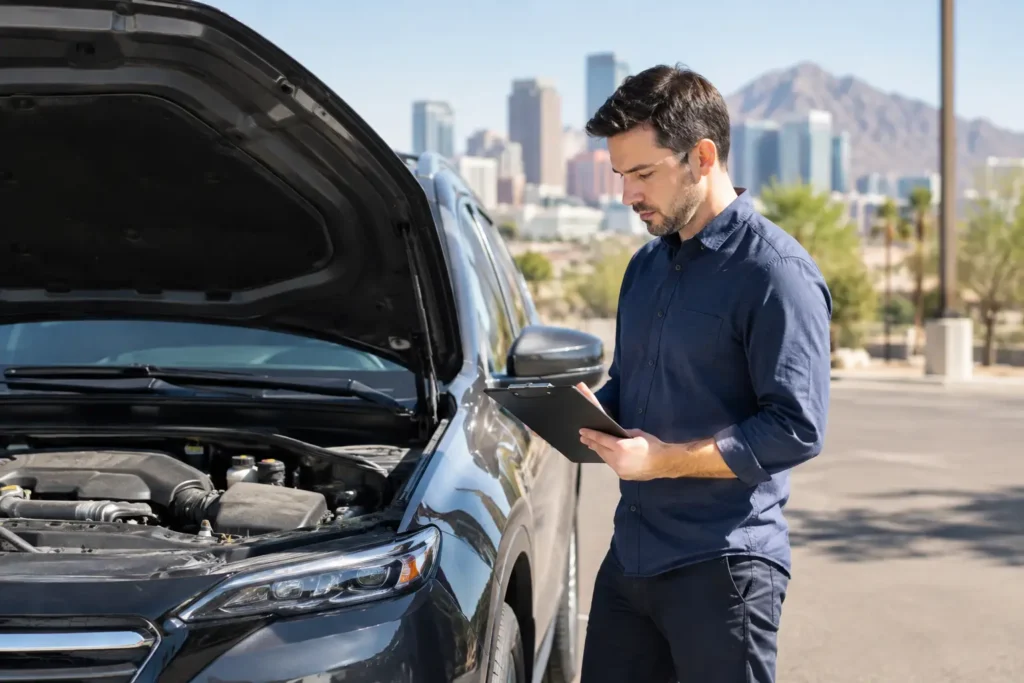
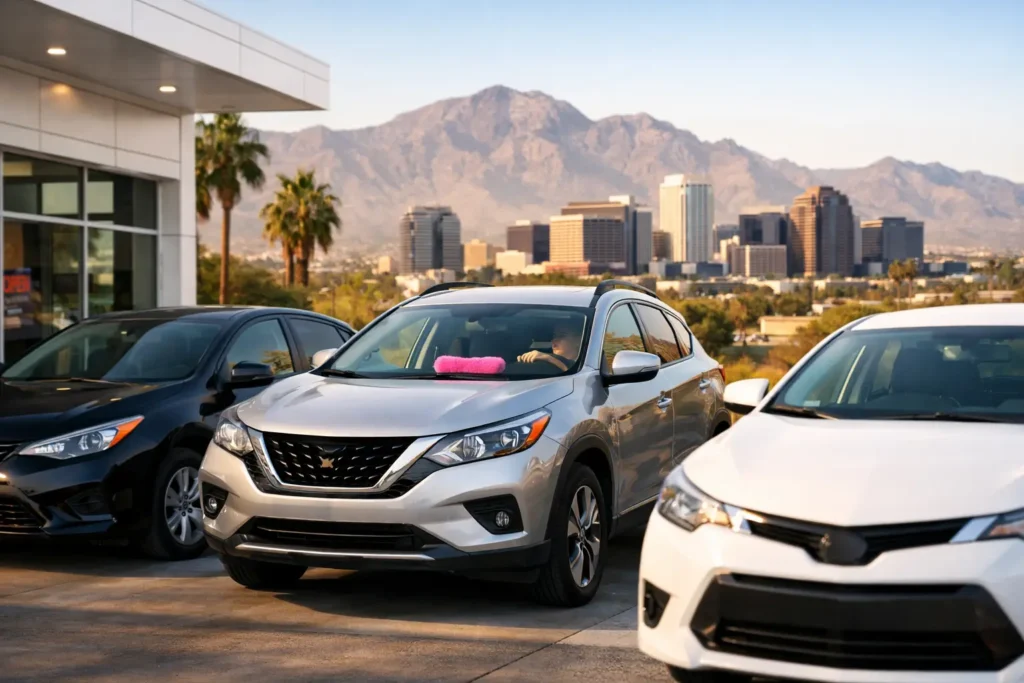
A Lyft approved rental vehicle in Phoenix can help you start earning without taking on a car payment, a long lease, or the surprise repair bills that come with an older personal vehicle. But the word “approved” deserves a closer look. A rental car is not automatically ready for Lyft just because it is clean, insured, and available this week. The vehicle, rental arrangement, and driver documentation must work with Lyft’s current requirements.
For Phoenix drivers, the best rental choice is the one that gets you on the road quickly while keeping weekly costs clear and manageable. Before reserving a vehicle, confirm the details that affect your ability to drive, earn, and stay active on the platform.
What Lyft approval means for a rental vehicle
Lyft has vehicle standards that can change by market, vehicle type, and service level. Generally, drivers need an eligible four-door vehicle in acceptable condition, current registration, valid insurance documentation, and a vehicle inspection when required. The driver must also meet Lyft’s own licensing, background check, and account requirements.
A rental vehicle adds another layer. You need to know whether the rental can be used for rideshare and whether the required documents identify you as an authorized driver. Some rental programs are built specifically for rideshare. Others are personal-use rentals that may allow commercial driving only with prior approval and the right insurance arrangement.
That is why “Lyft approved” should never be treated as a vague promise. Ask what makes the vehicle eligible, what paperwork is provided, and what steps still need to be completed in your Lyft account. A dependable rental provider should give you a direct answer instead of leaving you to discover a limitation after you have paid.
Confirm Lyft eligibility before you reserve
The fastest way to avoid a missed earning week is to verify the vehicle before pickup, not after. Start with the year, make, model, and seating configuration. Lyft commonly requires four doors and may have age limits or additional requirements for certain ride types. A vehicle that is acceptable for standard rides may not qualify for premium or larger-capacity categories.
Next, ask whether the car can be used for Lyft in the Phoenix market. This question is especially important if you plan to use the same car for Uber, Veyo, DoorDash, Instacart, Amazon Flex, or other apps. Each platform can have different rules, and non-emergency medical transportation may involve additional standards beyond typical rideshare driving.
Also verify the documents you will receive. You may need the rental agreement, registration, insurance information, and proof that rideshare use is permitted. If a platform asks for updated documents, having clear copies ready can prevent delays. Keep digital copies on your phone and a printed copy in the vehicle when appropriate.
Ask about inspections and account setup
Depending on Lyft’s current requirements, you may need a vehicle inspection from an approved location or process. Do not assume an inspection completed for another app will automatically satisfy Lyft. Ask the rental provider whether the vehicle has recently been inspected and whether there are any steps you must complete on your own.
Your driver account matters just as much as the vehicle. A qualified rental car does not override Lyft’s driver screening, license requirements, or background check process. If your Lyft account is still pending, it may make sense to confirm your approval status before committing to a longer rental term.
Compare the real weekly cost, not just the advertised rate
A low weekly price can be appealing, especially when you need a car right away. Still, the rental rate is only one part of your operating cost. Phoenix rideshare drivers put substantial miles on a vehicle, particularly when working airport trips, late-night events, Scottsdale nightlife, Tempe campus traffic, or long Valley runs between Mesa and Glendale.
Ask whether mileage is limited or unlimited. For a full-time Lyft driver, a mileage cap can change the value of a rental quickly. If you exceed the allowance, per-mile charges can reduce the earnings you expected to keep. Unlimited-mileage availability may be a better fit for drivers who plan to work multiple apps or drive six or seven days a week.
Insurance is another major consideration. Understand what coverage is included, what deductible applies if there is damage, and whether rideshare activity is covered during all phases of the trip. App-based insurance can work differently when you are waiting for a request, driving to a passenger, or transporting a passenger. The rental agreement should make it clear where its coverage applies and where platform coverage may apply.
Before booking, get clear answers on the deposit, payment schedule, extension process, late return policy, maintenance responsibility, roadside assistance, and cleaning expectations. These details are not small print when the vehicle is your source of income. They are part of your weekly business plan.
Choose a vehicle that fits how you earn
Not every driver needs the same rental. If you primarily drive standard Lyft rides during commute hours and weekends, a dependable, fuel-efficient sedan may be the practical choice. Lower fuel use can matter more than extra features when your earnings depend on high-mileage driving.
If you want to carry more passengers or luggage, a larger vehicle may create more flexibility, but it also may cost more to rent and fuel. It only makes sense if the vehicle qualifies for the trips you expect to take and the additional demand supports the higher operating cost.
Electric and hybrid options can lower fuel spending for some drivers, but the savings depend on charging access, charging time, electricity rates, and your daily route. A driver with reliable home charging may have a different calculation than someone who relies on public chargers between airport pickups. There is no single best vehicle for every Phoenix Lyft driver.
Consider your driving schedule as well. A weekly rental is often useful when you need flexibility, are testing rideshare as a new income source, or need a replacement vehicle while yours is in the shop. Longer arrangements can make sense for established drivers who already know their weekly mileage and earnings pattern.
Keep the car earning-ready every day
A rideshare rental works best when you treat it like a business asset. Keep the interior clean, check tire pressure, watch dashboard alerts, and report maintenance concerns early. Phoenix heat is hard on batteries, tires, air conditioning systems, and cooling systems. Do not wait for a small warning light to become a lost weekend of driving.
Your passenger experience also affects your ability to earn. A clean cabin, working air conditioning, and enough fuel or charge for the next trip are basic expectations in the Valley, especially during summer. Carry water for yourself, use a phone mount, and plan fuel stops around busy periods instead of leaving the app during peak demand.
If an accident or mechanical issue happens, follow the rental company’s reporting process right away and document the situation. Do not arrange unauthorized repairs or assume you can continue driving if the vehicle may be unsafe. Fast communication gives you the best chance of getting a clear next step and minimizing downtime.
Why a local Phoenix rental partner can help
National programs can work for some drivers, but local service can be valuable when your schedule, documents, or vehicle needs require an actual conversation. You may need a rental for Lyft this week, a personal-use vehicle next month, or a different transportation solution for a family event or work group later on. A local provider can help match the reservation to the real need instead of forcing every customer into the same arrangement.
Elite Movement Transportation Services offers flexible Phoenix-area rental options for drivers who need dependable transportation, including vehicles for gig and rideshare work when available and permitted. Availability changes, so the right next step is to ask about the vehicle, the weekly terms, mileage, insurance options, and your intended platform before reserving.
Bring your valid driver’s license, be ready to discuss how you plan to use the vehicle, and review every rental term before leaving the lot. A good Lyft rental is not simply the first car available. It is the car with clear permitted use, practical costs, current documentation, and support that helps you keep moving when work depends on the road.